For something so deeply traditional, real ale comes wrapped in a surprising amount of jargon. Cask, keg, mild, bitter, IPA, ABV — it is enough to make a newcomer order a lager and avoid the whole conversation. The good news is that the basics are simple, and once you understand them, the wall of pump clips at the bar becomes a menu rather than a puzzle.
What "Real Ale" Actually Means
Real ale is beer that continues to ferment and mature in the container it is served from — the cask — rather than being filtered, pasteurised and pumped full of gas. That live, ongoing fermentation is what gives a good cask pint its soft carbonation and rounded flavour. It is also why real ale needs looking after: a cask has a short window in which it is at its best, and a careless cellar can ruin even a brilliant beer. The work of championing this tradition has been led for decades by the Campaign for Real Ale, whose efforts helped save cask beer from near-extinction.
Reading the Styles
Most of what you will meet falls into a few families. Bitter is the classic English pint — amber, malty and gently hoppy. Mild is darker, lower in strength and easy-going. Golden ales are crisp and refreshing, while porters and stouts run dark, roasty and full. ABV, the percentage on the pump clip, tells you the strength; a session bitter at 3.8% is a very different afternoon to a 5.5% IPA.
How to Order Without Hesitating
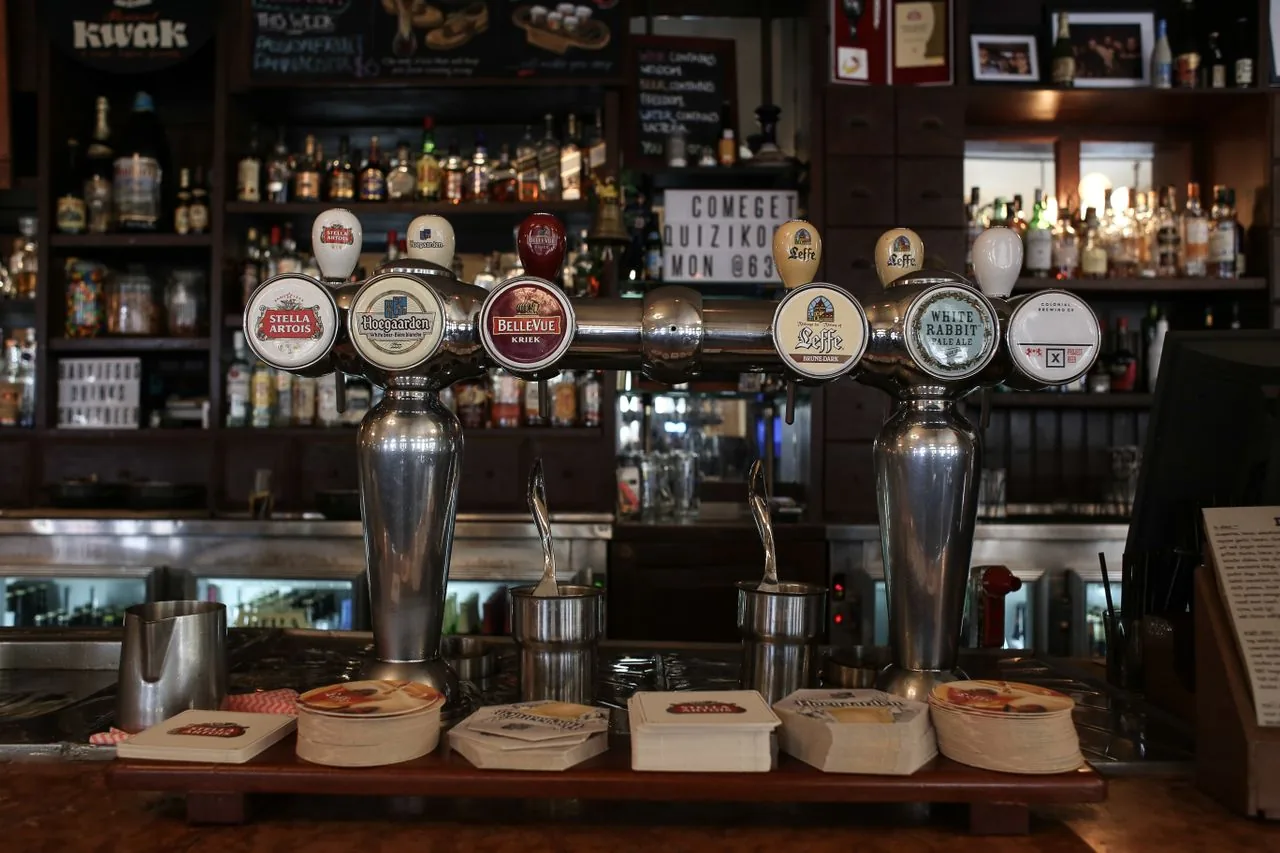
If in doubt, ask for a taster. Any decent pub will happily offer a small sample, and there is no shame in it — it is how you learn what you like. Tell the bar staff whether you prefer something light and hoppy or dark and malty, and let them point you somewhere. Half the pleasure of real ale is that it changes constantly, so the beer you love this week may be gone the next. Drink it while it is on.
None of this needs to be intimidating. Real ale rewards curiosity far more than expertise, and the only real mistake is not trying something new.